Just How Bulk Containers Can Enhance Efficiency in Your Packaging Workflow
Mass containers play a necessary duty in enhancing packaging procedures. Their design allows much better usage of vertical space and advertises arranged supply management. This effectiveness results in lowered product replenishment regularity and lower labor expenses. Additionally, the toughness of these containers lessens item damage. As services look for ways to enhance their procedures, understanding the complex benefits of bulk containers becomes essential. What other benefits might they give the table?
Streamlined Storage Space Solutions
As business look for to optimize their operations, structured storage remedies have actually become necessary for boosting packaging performance. Efficient storage space not just saves space yet also facilitates quicker access to products, which is vital in hectic production atmospheres. Mass containers, made for simple stacking and company, substantially reduce the complexity of storage space systems. They allow companies to make the most of vertical space while minimizing the impact needed for stock.
In addition, these containers frequently feature ergonomic designs that simplify dealing with and transport, lowering the threat of injury and improving operations. By settling products in mass containers, companies can decrease the frequency of restocking and enhance their supply chain procedures. Overall, the application of effective storage solutions fosters a much more organized workspace, resulting in raised productivity and lowered functional expenses. Via thoughtful style and critical use of mass containers, organizations can achieve notable improvements in their packaging procedures.
Waste Reduction and Sustainability
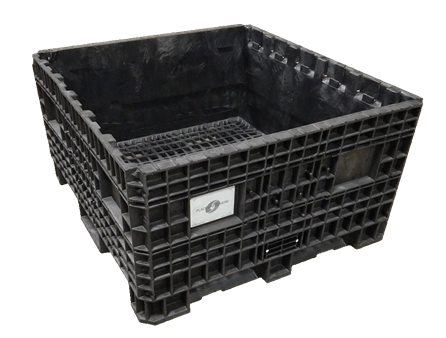
While the quest of performance usually drives packaging decisions, waste decrease and sustainability have actually become important factors to consider in modern procedures. Firms increasingly identify that taking on mass containers can considerably minimize product waste. These containers commonly utilize much less packaging product than typical approaches, causing a smaller carbon impact.
In addition, mass containers can be recycled multiple times, which even more reduces the need for single-use packaging and lowers total waste going into land fills. Their layout often permits simpler recycling procedures, aligning with sustainability goals.
Furthermore, business that prioritize waste reduction can boost their brand name reputation, interesting ecologically mindful customers. By executing mass containers, services not just improve procedures yet also add favorably to ecological stewardship. This dual benefit of functional effectiveness and sustainability placements firms positively in a competitive market significantly focused on environment-friendly methods.
Boosted Setting Up Line Performance

Applying bulk containers on production line considerably improves efficiency by improving the handling and transportation of products. By making use of bulk containers, suppliers can minimize the frequency of material replenishment, allowing workers to concentrate on assembly jobs as opposed to consistent stock monitoring. This results in fewer disturbances and a smoother process, ultimately enhancing performance.
In addition, mass containers are made for easy integration with automated systems, further optimizing the assembly process. Their standard shapes and sizes facilitate much better company, allowing employees to locate and gain access to materials promptly. This reduction in search time contributes to a much more fluid manufacturing environment.
Price Savings and Boosted Earnings Margins
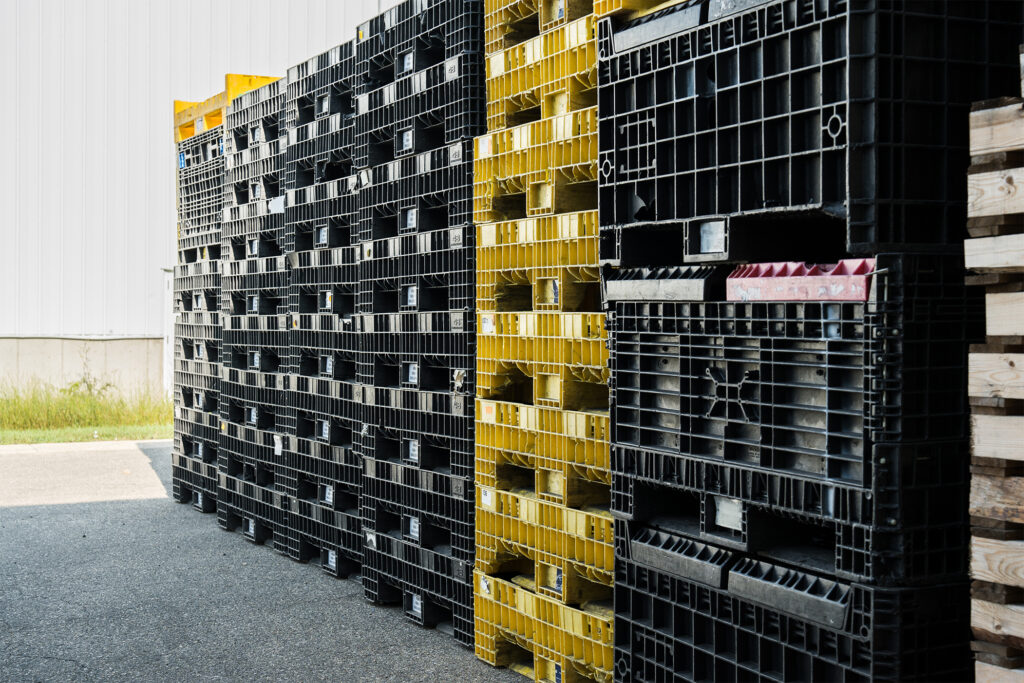
Significant price savings can be realized via the adoption of mass containers in packaging procedures. By lowering the requirement for several smaller sized bundles, business can reduce product costs especially. Mass containers typically require much less packaging product generally, causing reduced expenses on materials. In addition, the effectiveness of mass handling minimizes labor expenses associated with packing and unpacking, further enhancing cost savings.
Fewer trips to suppliers and reduced transportation prices are also key benefits, as bulk containers enable raised item capability per shipment. This greater quantity not just reduces shipping expenses but likewise enhances storage room within centers, bring about boosted inventory monitoring.
In addition, the longevity of bulk containers often equates to lower damages prices during handling and transportation, protecting product stability and minimizing waste. Collectively, these factors add to enhanced revenue margins, making bulk containers a financially beneficial selection for services seeking efficiency in their product packaging procedures.
Flexibility Throughout Industries
Mass containers use exceptional flexibility throughout various markets, making them an important property beyond just cost savings. In the food and drink sector, these containers promote the risk-free transportation and storage of huge quantities of components, improving performance in production lines. In pharmaceuticals, bulk containers ensure conformity with rigid hygiene criteria while accommodating the mass handling of raw products. The chemical sector also benefits, as these containers withstand harsh materials and stop contamination, supporting secure operations. used plastic containers. In addition, the farming sector uses bulk containers for delivering plant foods and grains, optimizing logistics and lowering waste. Their flexibility reaches manufacturing, where mass containers streamline setting up procedures and reduce the need for extreme packaging. This cross-industry capability not just boosts operational effectiveness yet likewise promotes sustainability via reduced packaging waste, showing the essential duty bulk containers play in modern-day supply chains
Frequently Asked Inquiries
How Do Mass Containers Impact Employee Safety And Security in Product Packaging Procedures?
Bulk containers significantly enhance staff member safety in packaging operations by lowering manual handling, decreasing injury risks, and promoting ergonomic get more info practices. Their design facilitates much safer transportation and storage space, eventually creating an extra safe work setting for all staff members.
What Products Are Mass Containers Typically Made From?
Bulk containers are usually made from resilient materials such as high-density polyethylene, polypropylene, timber, or steel - used plastic containers. These materials supply stamina, resistance to environmental aspects, and viability for different contents, guaranteeing risk-free and effective transport of items
Can Bulk Containers Be Customized for Particular Products?
Yes, bulk containers can be tailored for certain items. Producers commonly customize dimensions, products, and features to fulfill distinct demands, guaranteeing ideal defense and efficiency during storage and transport of different products.
Exactly How Do Bulk Containers Affect Transport Logistics?
Bulk containers enhance transport logistics by optimizing cargo room, decreasing the variety of journeys needed, and decreasing handling prices (used collapsible bulk containers). Their standardized dimensions promote effective dumping and filling, eventually bring about improved operational performance throughout the supply chain
What Is the Life-span of Mass Containers in Regular Use?
The lifespan of bulk containers in regular use typically varies from 5 to 10 years, depending on material high quality, handling methods, and environmental conditions. Proper maintenance can significantly prolong their use and efficiency.
Applying bulk containers on assembly lines significantly improves efficiency by enhancing the handling and transport of materials. Bulk containers commonly need less product packaging product overall, resulting in reduced expenses on supplies. In pharmaceuticals, mass containers assure compliance with strict hygiene criteria while fitting the bulk handling of raw products. Their adaptability extends to manufacturing, where bulk containers improve assembly processes and decrease the need for extreme packaging. Mass containers greatly improve staff member security in packaging operations by lowering hands-on handling, lessening injury dangers, and advertising ergonomic practices.